AGP Executive Report
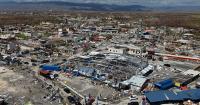
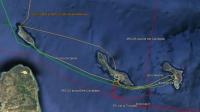
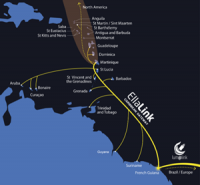
Last update: 7 hours agoRegional Connectivity: Work has begun in Curaçao on a US$25 million landing site for the CELIA submarine cable, planned to connect the island with Martinique, Aruba, Antigua, Puerto Rico and Florida. Installation is expected to finish in early 2027, with service planned for year-end, adding capacity to the region’s digital links. Climate and Finance: Central Bank Governor Larry Howai urged policymakers to treat climate disasters as threats to economic and financial stability, citing damage to infrastructure, food supplies and prices across the Caribbean. Data for Resilience: Grenada’s Caribbean Statistics Day message stressed that reliable data helps governments identify vulnerable communities and direct resources before and after disasters.
Note: AI summary from news headlines; neutral sources weighted more to help reduce bias in the result. Feedback is welcome. Please let us know if you have any comments or suggestions about the AGP Executive Report.
 Perspectify News